Lessons From Austin Zoning and Real-World Homeownership
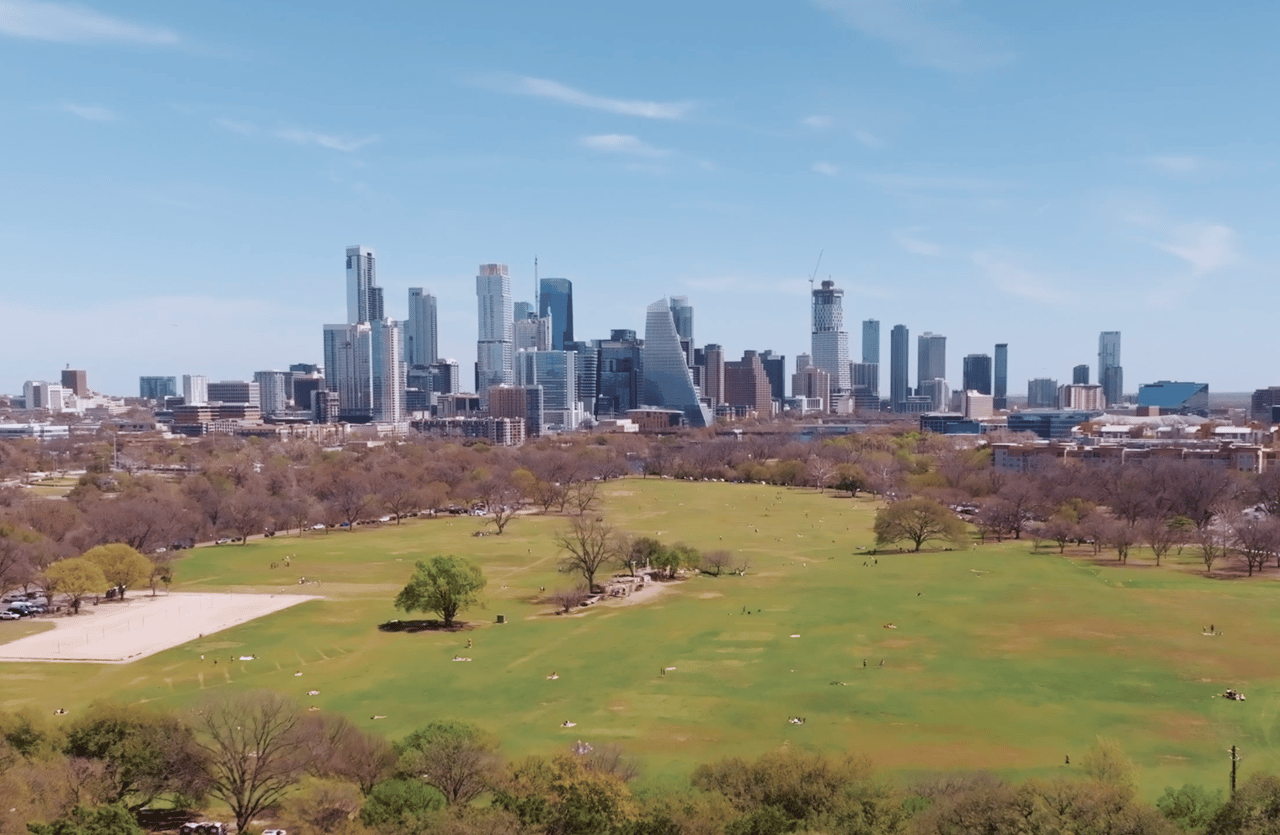
During a home search, buyers often fall in love with something outside the property line: a stand of trees, an open field, a school, a skyline view. These features shape how people imagine living in a home. But in Austin, the biggest surprises often come not from the house you buy, but from what happens next door, behind you, or across the street.
This blog is not meant to scare you. It is meant to give clarity: you own your lot. Everything beyond it is a variable, and smart buyers evaluate those variables before closing.
Let’s start with a real Austin example making headlines right now.
The Rosedale School Case
In 2022, Austin ISD closed the longtime Rosedale School at 2117 W. 49th Street. For decades, neighbors assumed the campus would remain a quiet school. Instead, in 2025, AISD placed the 4.6-acre property under contract with OHT Partners to build a 435-unit, six-story apartment building. The developers are seeking zoning allowing 75-foot heights, which many residents believe would overpower nearby one and two-story homes.
A larger shock followed. In October 2025, AISD filed a declaratory judgment lawsuit against about 125 homeowners, asking the court to invalidate decades-old deed restrictions that residents say limit the land to low-intensity residential use. If AISD and OHT win, the site could become one of the densest buildings in the Rosedale area.
This is happening now, and it underscores a simple truth: neighborhoods change, especially in central Austin where land rarely stays idle.
Why Buyers Must Be Careful About Surrounding Land
Many buyers rely on outside features that feel permanent: vacant lots, tree groves, greenbelts, views, or public land. But none of that land belongs to you, and its current use is never guaranteed.
Buyers near undeveloped parcels must consider zoning, density allowances, planned development filings, and whether any protections exist. Undeveloped land also carries risks related to future rezoning, infrastructure changes, long-term development, and environmental impacts.
When a “Protected” Greenbelt Was Not Protected
One of our clients bought her home largely because of the forest behind it, believing the land was protected.
A year later, it was rezoned. A Section 8 housing development was built uphill, bringing lighting, foot traffic, and drainage issues from re-engineered water flow. Her disappointment was not about density or income levels. It was about losing the reason she chose the home in the first place.
How Smart Buyers Protect Themselves
-
Research surrounding zoning. SF-3, MF-6, or CS-MU zoning signals what may be built.
-
Check Austin’s Future Land Use Map. It may show where the city plans density.
-
Search for pending site plans or rezoning cases. These are public records.
-
Understand deed restrictions and their enforceability. The Rosedale lawsuit shows they can be challenged.
-
Treat outside features as perks, not promises. Only land you own is guaranteed.
-
Work with an agent who understands zoning.
The Real Takeaway
Your lot line is the limit of your guarantees. Everything beyond it can change at any time. This does not mean you should ignore views, greenbelts, or natural buffers, but your long-term happiness should not depend on land you do not own. As Austin continues to evolve, understanding this reality is one of the most valuable tools a buyer can have.
~Trigaci Stiles Group
Austin Luxury Real Estate Advisors
Compass ATX